

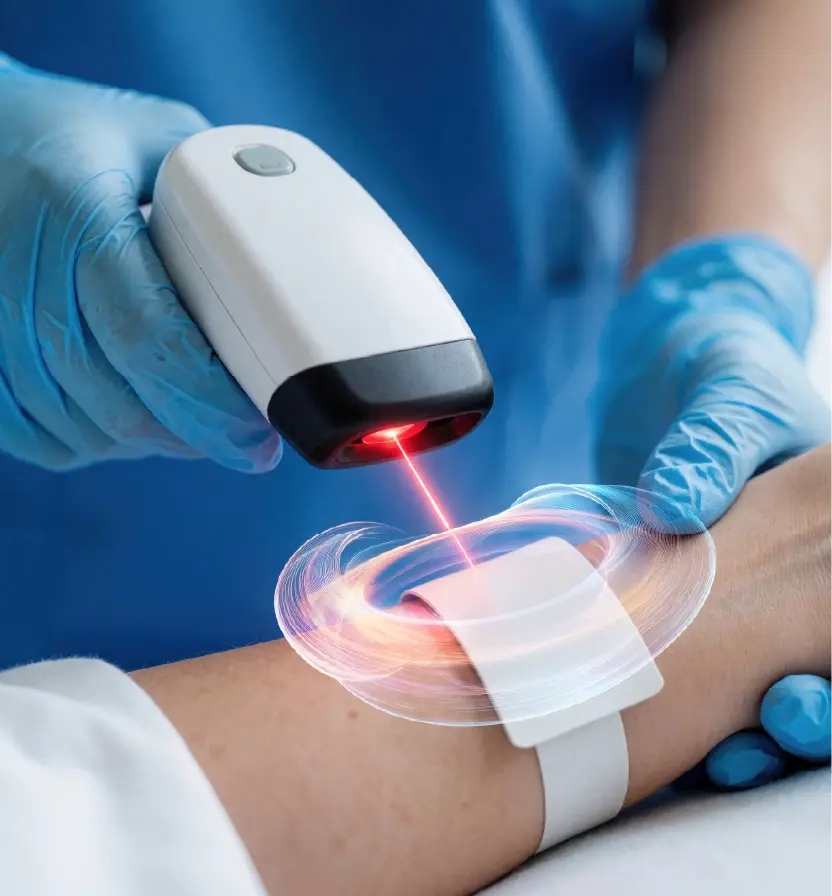


How Do Medical Device Companies Connect Device Identifiers, EHR Records, and Salesforce Life Sciences Cloud?
Every connected medical device generates multiple streams of information throughout its lifecycle.
The regulatory record identifies the device itself. There is the clinical record, which captures how the device is used in patient care. The commercial record tracks customer accounts, service history, warranties, field service activity, and provider relationships.
These records exist in separate systems. Device information often resides in quality or regulatory platforms. Clinical information remains inside Electronic Health Records (EHRs). Commercial and service interactions are managed in CRM systems. The challenge is creating a connected view across all three without introducing data quality issues or compliance risks. For medical device leaders, the focus is on building the right architecture to support service operations, regulatory requirements, customer engagement, and long-term scalability.
Understanding the Role of Device Identifiers
What Is a UDI?
The UDI consists of two components:
- The Device Identifier (DI), which identifies the manufacturer and device model.
- The Production Identifier (PI), which includes information such as lot number, serial number, manufacturing date, or expiration date.
Why Device Data Alone Is Not Enough
For example:
- Which provider is currently using the device?
- Has the device been serviced recently?
- Is the device associated with a specific patient outcome?
- Is there an active warranty or service contract?
Answering those questions requires connections between regulatory, clinical, and commercial systems.
How EHR Data Reaches Salesforce
The primary mechanism for exchanging clinical data today is HL7 FHIR (Fast Healthcare Interoperability Resources). FHIR provides a standardized framework for sharing patient and clinical information across healthcare applications.
In most Salesforce environments, MuleSoft acts as the integration layer between EHR platforms and Salesforce Life Sciences Cloud. This architecture allows organizations to connect with systems such as Epic, Oracle Health, athenahealth, and other FHIR-enabled applications. The most successful projects do not attempt to replicate every clinical field into Salesforce. Instead, they focus on the information that supports specific business processes.
Examples include device implant information, service-related clinical events, procedure history, recall management data, and outcome indicators that help commercial or service teams make informed decisions.
How Salesforce Life Sciences Cloud Contribute
The platform supports:
- Healthcare provider engagement
- Account and territory management
- Compliance workflows
- Service operations
- Product and device-related interactions
A field service representative, for example, can access device information, account records, service history, and relevant clinical context from a single platform rather than moving between separate applications.
Where Integration Projects Often Struggle
The challenge is rarely the connection itself. Modern integration platforms make exchanging data relatively straightforward.
The larger challenge is creating data that business users trust.
Unclear Data Ownership
One of the most common issues occurs when organizations fail to define which system owns specific information.
Successful programs establish clear rules from the beginning. Device information remains governed by quality or product systems, clinical information stays within the EHR, and commercial relationships are managed inside Salesforce. Without this structure, conflicting data and duplicate records become difficult to avoid.
Inconsistent Matching Logic
Connecting a device to a patient, a provider, a clinical event, and a customer account requires carefully defined matching rules.
If those rules are inconsistent, organizations can end up with inaccurate reporting, duplicate histories, and unreliable service records.
Treating Device Data as Static
Another common mistake is importing UDI data once and assuming the information will remain accurate.
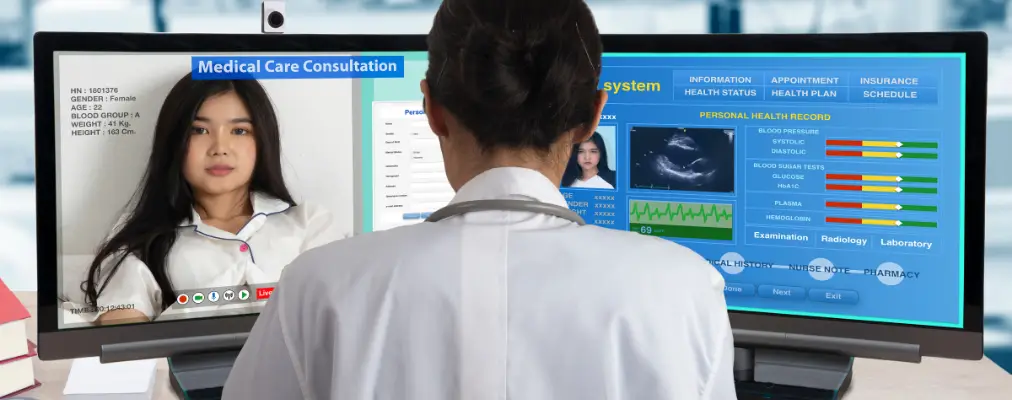
What Should Executives Prioritize First?
Organizations that realize value quickly tend to approach the work in phases rather than attempting a large-scale integration program from day one.
Establish Data Ownership
The priority should be defining which system serves as the authoritative source for each type of data. Device identity, clinical records, and commercial information should each have clear ownership before integrations are built.
This decision alone prevents many downstream governance and data quality issues.
Focus on High-Value Use Cases
Rather than creating a complete mirror of EHR data, organizations often see faster value from focused initiatives.
Warranty management, recall readiness, service scheduling, device utilization tracking, and outcome-related account insights are common starting points because they directly support operational decision-making.
Define Device-to-Patient-to-Account Relationships
A connected ecosystem depends on the ability to consistently associate devices, patients, providers, and customer accounts. Establishing that matching logic early creates the foundation for service workflows, reporting, analytics, and compliance activities.
Keep Device Records Current
Device data should remain synchronized throughout the product lifecycle.
Recalls, field corrections, and labeling updates should flow into operational processes automatically wherever possible. This helps maintain accuracy across service, compliance, and customer-facing functions.
Additional Considerations for High-Risk Devices
The integration requirements for implantable and life-sustaining devices are often more demanding than those for lower-risk products. In these environments, the connection between device identity, patient records, clinical events, and customer accounts plays a direct role in activities such as recalls, field actions, and patient safety communications.
As a result, many organizations prioritize connected architectures for high-risk device categories before expanding the model across the rest of the portfolio.
A phased rollout allows companies to address the highest-risk use cases first while building governance processes that can be reused across other product lines.
Rialtes Take
Connecting device identifiers, EHR data, and Salesforce Life Sciences Cloud is ultimately an exercise in building a trusted data foundation. The technology required to connect these systems is widely available through standards such as FHIR and integration platforms such as MuleSoft . The differentiator is how organizations manage data ownership, governance, matching logic, and ongoing synchronization.
When these elements are addressed upfront, regulatory records, clinical information, and commercial data stop operating as separate streams. Instead, they become part of a connected ecosystem that supports field service teams, commercial operations, quality organizations, compliance stakeholders, and ultimately the patients who rely on the devices themselves.
If your organization is evaluating how to connect device identifiers, EHR data, and your CRM without creating a governance problem in the process, our medical device IT solutions has done this work before and would welcome a conversation about what the right starting point looks like for your specific device portfolio and existing systems.
FAQs: Device Identifiers, EHR Data, and Salesforce Life Sciences Cloud
Latest Blogs